Skip to content

The best avalanche airbag packs for 2026

Two packs, and an important difference: the Osprey Soelden Pro 32 includes its Alpride E2 electronic airbag (about $1,220); the Dakine Poacher R.A.S. 18L is airbag-ready only — the Mammut Removable Airbag System 3.0 is sold separately (pack about $195). An airbag helps keep you near the surface of a slide; it never replaces a transceiver, probe, shovel and training.

Top-rated airbag backpacks on Amazon.com

The 2 highest scores among the 2 airbag backpacks we cover that have a checked Amazon.com listing. Scores are out of ten and only compare models inside this category.

#ModelOur scorePriceBuy
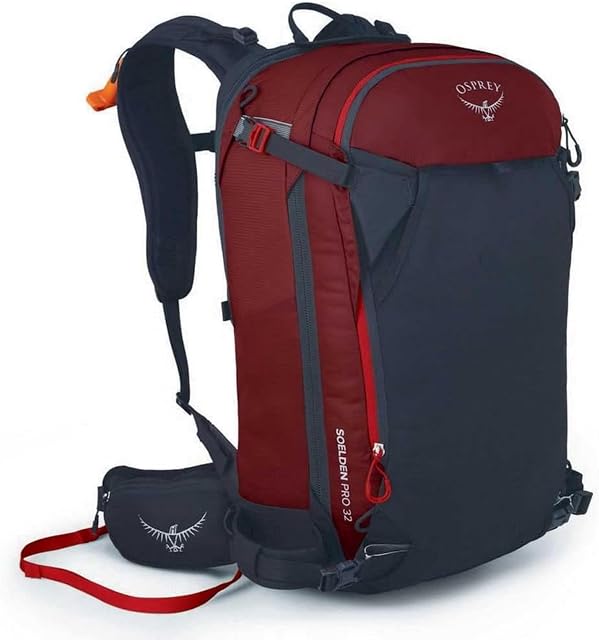
1Osprey Soelden Pro 32 E2 airbag packBest for: A backcountry skier or rider who wants an airbag system that is ready out of the box and travels easily 8.2/10≈ $1,220Check price on Amazon: Osprey Soelden Pro 32 E2 airbag pack
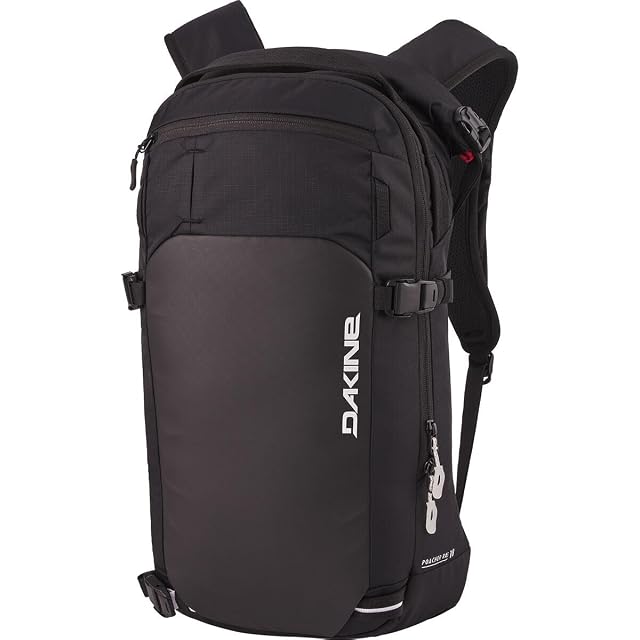
2Dakine Poacher R.A.S. 18L packBest for: A rider who already owns, or will buy, a Mammut RAS 3.0 airbag and wants a small pack for lift-accessed backcountry 7.2/10≈ $195Check price on Amazon: Dakine Poacher R.A.S. 18L pack

Prices are indicative and were read on Amazon.com; the button shows the current one. If we earn a commission, it does not change the order.

Two packs, and an important difference: the Osprey Soelden Pro 32 includes its Alpride E2 electronic airbag (about $1,220); the Dakine Poacher R.A.S. 18L is airbag-ready only — the Mammut Removable Airbag System 3.0 is sold separately (pack about $195). An airbag helps keep you near the surface of a slide; it never replaces a transceiver, probe, shovel and training.

Every published figure on this shelf, in one table

  1. Dakine Poacher R.A.S. 18L pack

    18 L backpack compatible with the Mammut Removable Airbag System 3.0 (sold separately), roll-top airbag closure, ski and board carry

    Dakine’s Poacher R.A.S. 18L is an airbag-ready pack, not an airbag: it takes Mammut’s Removable Airbag System 3.0, which is sold separately — about $195 on Amazon.com.

    Best for: A rider who already owns, or will buy, a Mammut RAS 3.0 airbag and wants a small pack for lift-accessed backcountry

    7.2/10

    ≈ $195

  2. Osprey Soelden Pro 32 E2 airbag pack

    32 L men’s avalanche airbag pack with Alpride E2 electronic airbag, avalanche-tool pocket, ski and board carry

    Osprey’s Soelden Pro 32 with the Alpride E2 electronic airbag built in: a complete avalanche airbag pack with a tool pocket, ski and board carry and Nanofly fabric, about $1,220.

    Best for: A backcountry skier or rider who wants an airbag system that is ready out of the box and travels easily

    8.2/10

    ≈ $1,220

By need, across airbag backpacks

Stay on the surface

The principle is mechanical: an inflated volume increases the body’s apparent size and makes it rise within a moving mass. That reduces burial; it does not cancel the risk of trauma.

Actually be able to deploy

The handle has to be reachable one-handed, with a glove, while being thrown about. It is the only part of the system the wearer operates, and it is practiced.

Know what is included and what is not

One pack here, the Dakine Poacher R.A.S., is sold without the airbag system at all: it takes a Mammut Removable Airbag System bought separately.

Osprey 10004568

Across airbag backpacks, who each type suits

A day tour with an airbag pack
A pack around 30 liters carries shovel, probe, water and a layer. It is a common volume for day touring.
A system you already own
Some packs are sold as shells compatible with an existing system. That is economical, and it assumes checking compatibility model by model.
An airbag pack that has to fly in the hold
Carrying a cartridge is regulated and depends on the airline. No listing in this aisle publishes travel guidance: the question arises before booking.

The trade-offs to weigh on airbag backpacks

Cartridge against fan
A cartridge is simple and is refilled or replaced after use; an electric system recharges and lets you practice. Of the two systems here, one is electronic (Osprey’s Alpride E2) and one takes a cartridge-based Mammut unit.
Safety against carried weight
The system, its harness and the cartridge add to the pack. On a long climb that weight tells on every step, and it is the accepted price of protection.
The cost of a practice deployment
Every deployment consumes a cartridge to refill or replace. That is what discourages practice — which is precisely what makes the handle useful.

What gets asked about airbag backpacks

Does an airbag pack protect against everything?

No. It reduces the probability of full burial by keeping the wearer higher in the mass. It protects neither against impacts with trees and rocks, nor against terrain traps at the bottom of the slope.

Is the cartridge included?

Often not, and the Dakine listing here says so plainly. One recorded reference does not include the airbag system either: the pack is built to take one.

Can you fly with it?

It depends on the airline and the cartridge type, and rules change. No listing in this aisle publishes guidance: check with the carrier before departure.

Should you practice deploying it?

Yes, at least once, so you know where the handle is and how much force it takes. That movement has to be automatic, and every trial costs a refill.

What pack volume should you choose?

Around 30 liters for a day out with shovel, probe, water and a layer. Both packs here publish their volume, 18 L and 32 L.

Does an airbag replace transceiver, shovel and probe?

No, it is additional. All three remain essential, including for rescuing someone else — which is the most frequent case.

How is an airbag pack stored out of season?

Dry, cartridge removed and stored separately, following the manufacturer’s manual. A system left armed all year is not what is intended.

Does the harness really matter?

Yes, a great deal: a waist belt and a leg strap stop the pack being torn off by the moving mass. A pack that is torn off has never protected anyone.

The essentials of airbag backpacks

An airbag reduces burial; it does not remove the avalanche. What to verify before buying comes down to three points: what the reference actually contains — cartridge, system —, how reachable the handle is, and how well the harness holds. Travel guidance is published nowhere in this aisle.

The live figure beside a product went and asked the shop for it the moment this page opened; any amount written into the text has not moved since the sentence was drafted, and it is the first of the two that counts.