Skip to content

The best touring skis for 2026

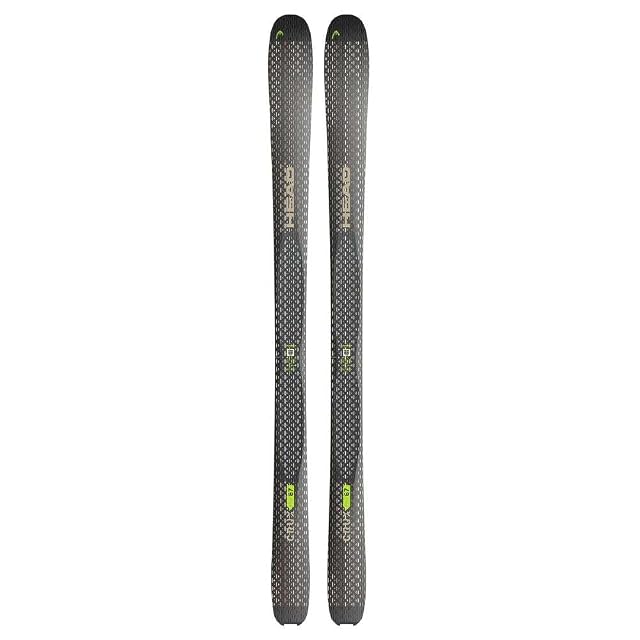
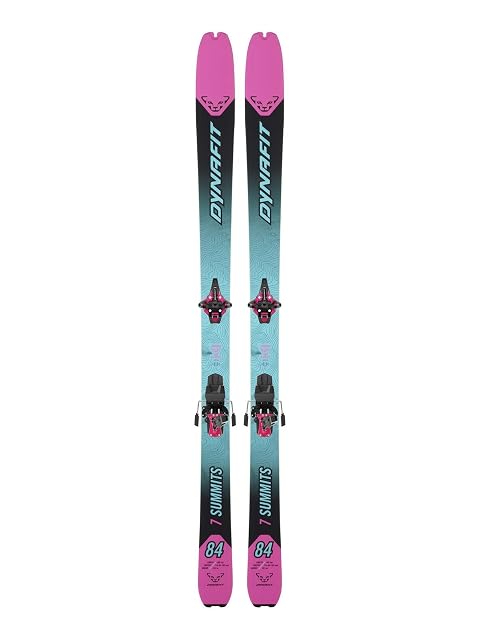
Three touring skis, all sold flat — without binding — and none with a US seller when checked. The HEAD Crux 87 Pro is stiff and advanced and publishes its sidecut (126/87/108 mm at 177 cm); the Dynafit W Seven Summits is a forgiving women’s ski; the K2 Wayback 88 adds Titanal for the descent. Each needs a touring binding, a shop mount and climbing skins. Two skis once filed here, the Airtracks Savage Wide and Rossignol Sender Soul Pro, are alpine skis and now sit on the alpine shelf.

Top-rated touring skis on Amazon.com

The 3 highest scores among the 3 touring skis we cover that have a checked Amazon.com listing. Scores are out of ten and only compare models inside this category.

#ModelOur scorePriceBuy
1HEAD Crux 87 Pro, 163 cmBest for: An advanced skier touring on firm or mixed snow who wants a stiff 87 mm ski and will add a binding and skins 8.4/10See AmazonCheck price on Amazon: HEAD Crux 87 Pro, 163 cm
2DYNAFIT W Seven Summits, 158 cmBest for: A woman starting ski touring who wants a forgiving all-round ski and will add a pin binding and skins 7.8/10See AmazonCheck price on Amazon: DYNAFIT W Seven Summits, 158 cm
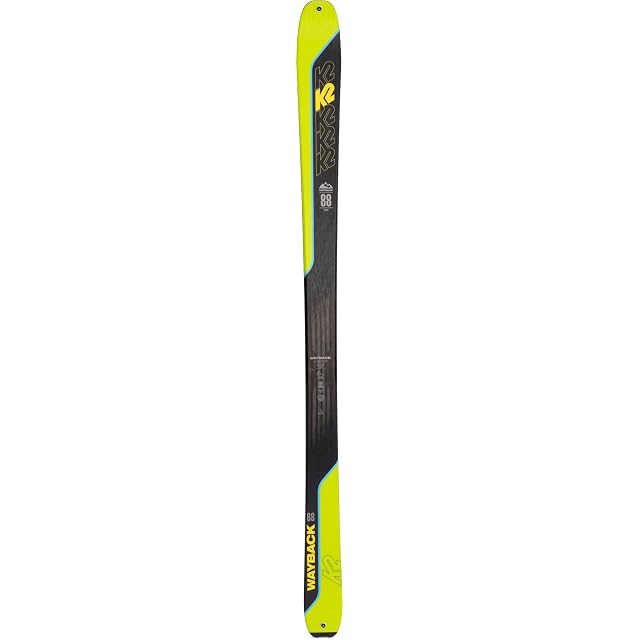
3K2 Wayback 88, 174 cmBest for: A touring skier who wants a light 88 mm ski that still skis the descent with some authority, and will add a binding and skins 7.8/10See AmazonCheck price on Amazon: K2 Wayback 88, 174 cm

Prices are indicative and were read on Amazon.com; the button shows the current one. If we earn a commission, it does not change the order.

Three touring skis, all sold flat — without binding — and none with a US seller when checked. The HEAD Crux 87 Pro is stiff and advanced and publishes its sidecut (126/87/108 mm at 177 cm); the Dynafit W Seven Summits is a forgiving women’s ski; the K2 Wayback 88 adds Titanal for the descent. Each needs a touring binding, a shop mount and climbing skins. Two skis once filed here, the Airtracks Savage Wide and Rossignol Sender Soul Pro, are alpine skis and now sit on the alpine shelf.

Every published figure on this shelf, in one table

  1. K2 Wayback 88, 174 cm

    174 cm (68.5 in) men’s touring ski, 88 mm in the model name, Titanal-reinforced, sold flat

    K2’s Wayback 88, a 2022 men’s touring ski the listing sells on one paragraph — light enough to climb, Titanal-reinforced for the descent — with no seller on Amazon.com when read.

    Best for: A touring skier who wants a light 88 mm ski that still skis the descent with some authority, and will add a binding and skins

    7.8/10

  2. HEAD Crux 87 Pro, 163 cm

    163 cm touring ski, 126/87/108 mm at 177 cm, rocker-camber-rocker, stiff, sold flat

    HEAD’s stiff, advanced touring ski with its sidecut published — 126/87/108 mm, given at 177 cm — sold flat in 163 cm, with no seller on Amazon.com when read.

    Best for: An advanced skier touring on firm or mixed snow who wants a stiff 87 mm ski and will add a binding and skins

    8.4/10

By need, across touring skis

Climb for a long time without tiring

On a tour, the weight is lifted at every step. A light ski saves energy on the way up and is paid for in stability on the way down.

Descend in ungroomed snow

Flotation comes from the area under the foot. A wide waist holds better in fresh snow but makes every climb heavier.

Use skins without improvising

The shape of the ends decides how the skins attach. A tip and tail designed for a standard skin fixing avoid makeshift adaptations.

Across touring skis, who each type suits

A thousand meters of climbing in a day
The compromise is settled at the waist: wide enough for the descent, light enough for the climb. It is the most common use of this aisle.
Long climb, descent secondary
A narrow, light ski transforms the climb. The descent becomes more demanding, and that is a deliberate choice when vertical gain matters more than the line.
Freeride with skin access
A wide waist and a heavier construction give a descent close to a piste ski. The climb becomes a means, not a pleasure.

The trade-offs to weigh on touring skis

A light ski climbs well and floats badly
Lightening a ski removes material, and therefore damping and hold at speed. The gain is felt on the climb, the loss on the descent.
Wide waist against effort
Every millimeter at the waist adds flotation and skin area to peel off at every step. The cost is real on a long day.
Binding included or not
Few touring skis are sold with bindings, because the choice between a pin binding and a frame binding depends on the boot. Check what the listing states.

What gets asked about touring skis

Does a touring ski descend as well as a piste ski?

At equal width, rarely: the construction is lightened for the climb, which removes damping. The widest models come close and weigh more.

Do these skis need touring boots?

Yes. A touring boot has a walk mode and, most often, tech inserts. The sole standard has to match the binding: that is the point that most often blocks.

Are skins sold with the ski?

Rarely. Skins are chosen by the ski’s width and length, and trimmed. This site’s Climbing skins aisle sets out what each type of attachment assumes.

What is the difference between pin and frame bindings?

Pins grip the boot at two points at the front: that is lighter and it requires compatible boots. A frame binding takes more boots and weighs more.

Can you tour on piste skis?

With a suitable binding, yes, but the weight makes the climb punishing. That is precisely what this aisle exists to avoid.

Is rocker useful for touring?

A raised tip helps in deep snow and in initiating the turn. On the climb it changes little, as long as the skin covers the base.

Do you need ski crampons?

As soon as the track hardens or tilts, the skin alone stops holding. Crampons are chosen by the ski’s width: see the Ski crampons aisle.

How do you look after a touring ski?

Edges and base are maintained as on a piste ski. Skin glue additionally needs storage away from heat and dust.

The essentials of touring skis

Everything is settled between weight and flotation. A light, narrow ski transforms the climb and asks more on the descent; a wide waist does the opposite. The binding is not chosen independently of the boot: the sole standard decides what can be mounted. And skins are taken to the width of your ski, not your neighbor’s.

Overview: touring skis

  • Highest figure for length: K2 0886745857242 (174 cm (68.5 in) on this listing).

The whole set of touring skis, as a table

A column is kept when four items in five state the value. Below that, half the cells would stay silent.

ModelPriceLength
DYNAFIT 49158-5740—158 cm (62.2 in) on this listing
HEAD 315834—163 cm (64.2 in) on this listing
K2 0886745857242—174 cm (68.5 in) on this listing

Guides covering touring skis

Where the specifications are drawn from

Specifications: manufacturer sheets for winter sports gear and the matching Amazon product pages. Prices and availability: Keepa. Every figure in this table names its source.

Most recent revision in this category: November 13, 2026.

What we judge touring skis on