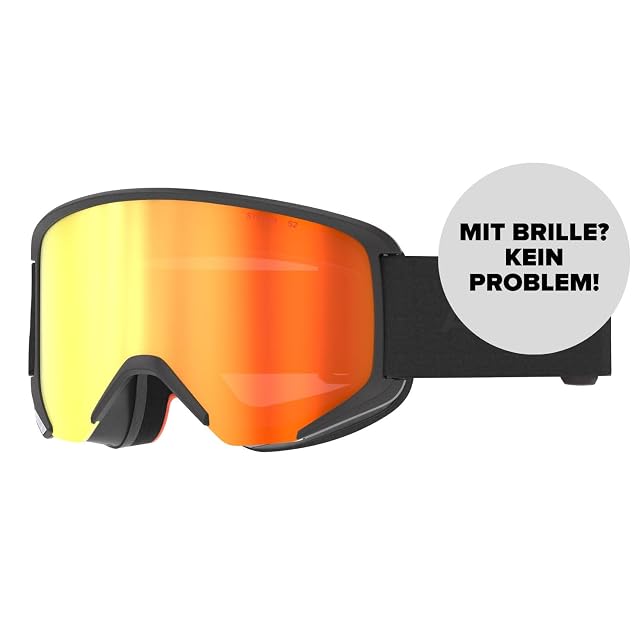
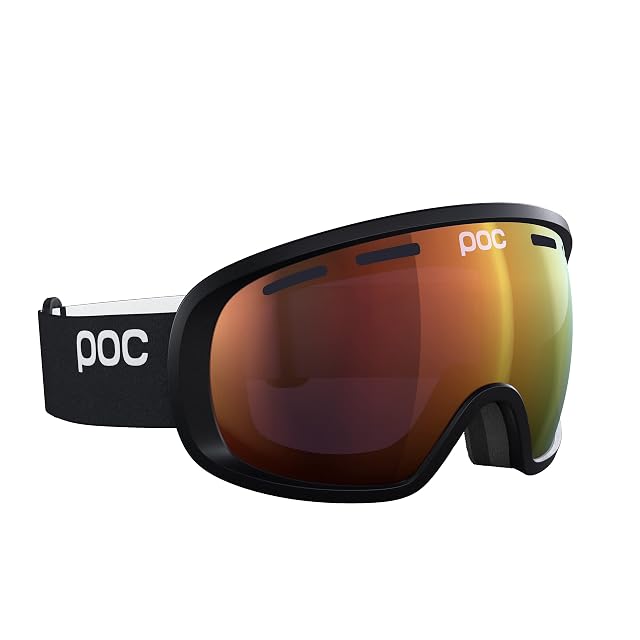
Filter category, and whether they fit over spectacles
The best ski goggles for 2026
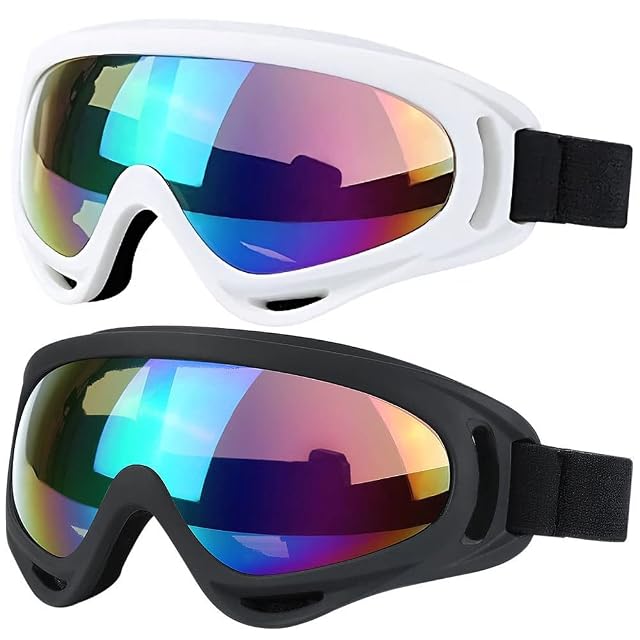
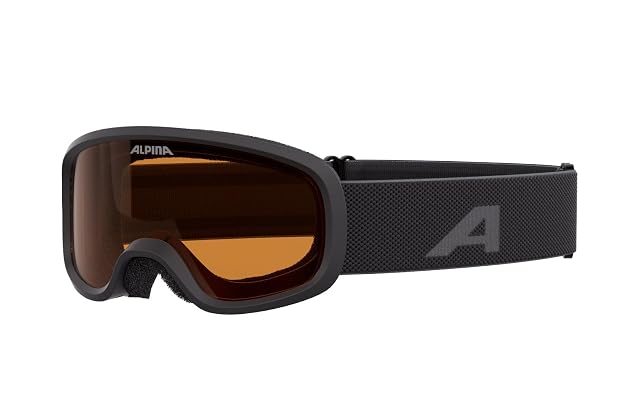
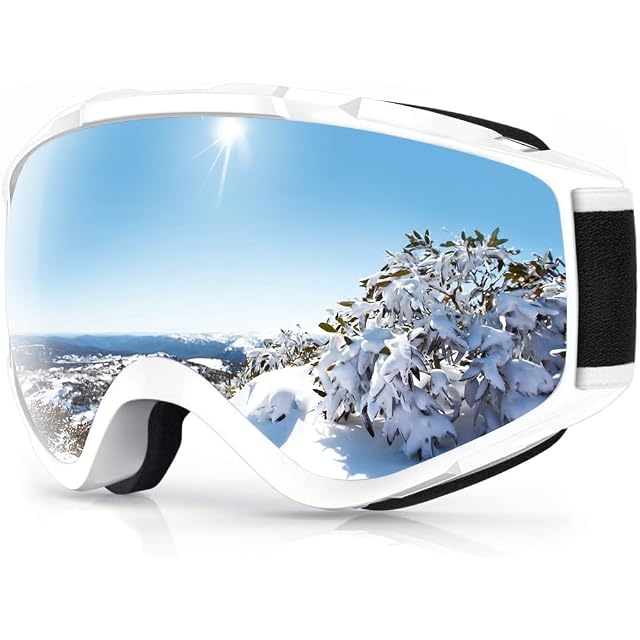
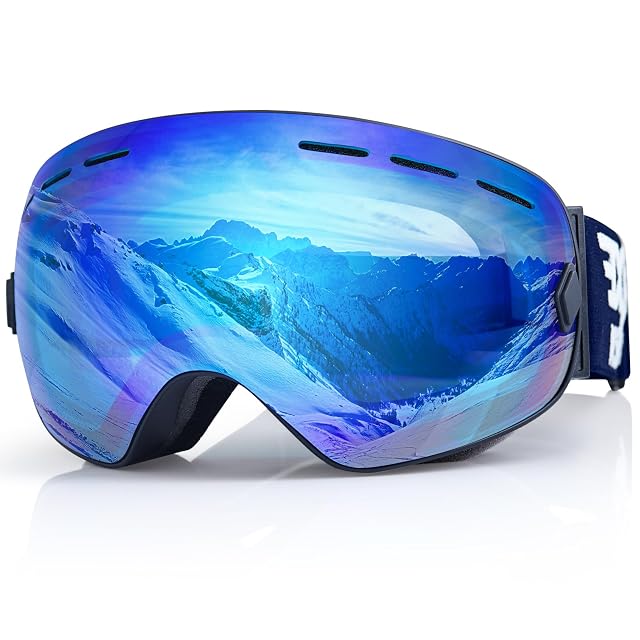
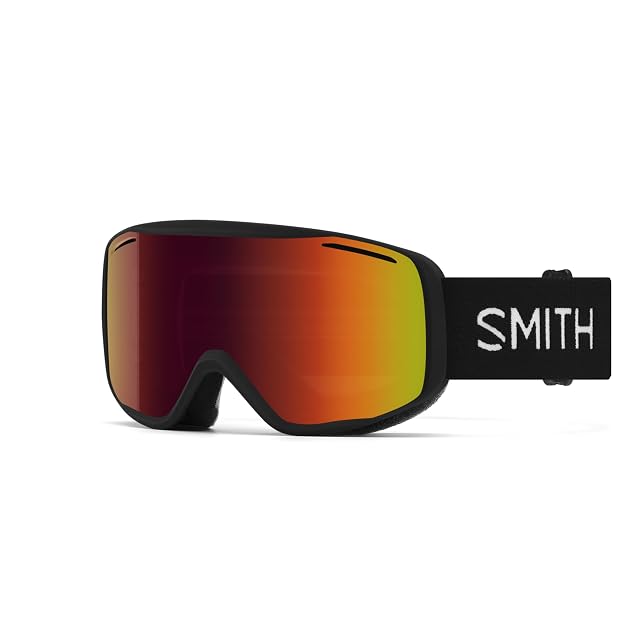
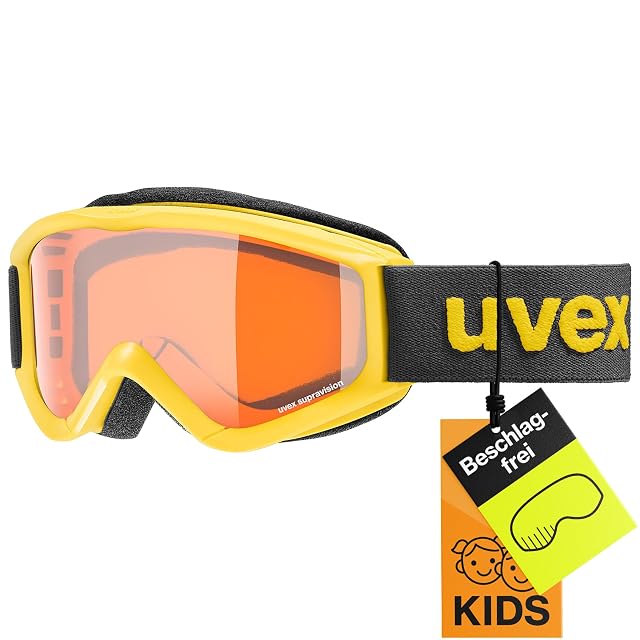
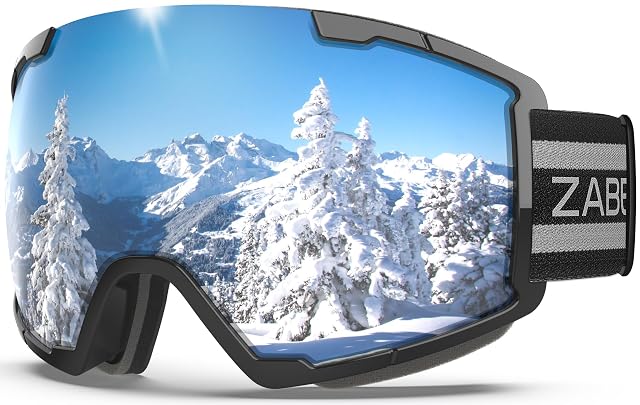
The figure that decides what goggles are for is the filter category, and it runs from 0 to 4. Category 2 is the all-round choice, usable in cloud and bearable in sun — and exactly one of the nine goggles here publishes a category at all; category 3 and 4 are for glare and are dangerously dark in flat light; category 1 and 0 are for dusk and storms. A goggle with one lens has one category, which is why a second lens is sold separately and has its own shelf here. The lens construction is the second thing: a double lens traps air between two layers and is the single most effective anti-fog measure there is, and a single-lens goggle at eight euros will fog the first time it is pushed onto a warm forehead. The anti-fog treatment on the inner face is a coating, it wears, and wiping the inside of a wet lens is what destroys it. Spectacle compatibility is stated as OTG — over the glasses — and it means a deeper frame and a notch in the foam, not simply a larger lens; four of the nine here claim it. The field of view is what a frameless design buys, and it is real rather than cosmetic on a narrow piste. The last thing is the helmet fit: a strap with a clip and a grippy silicone line stays on a shell, and one without slides. Prices run from 11 € to 117 €, and the whole of that range is on this shelf for a reason. We compare filter category, lens construction, anti-fog, spectacle fit, field of view, lens change, helmet fit and spare lens included.