Length, and the binding that almost always comes with it
The best alpine skis for 2026
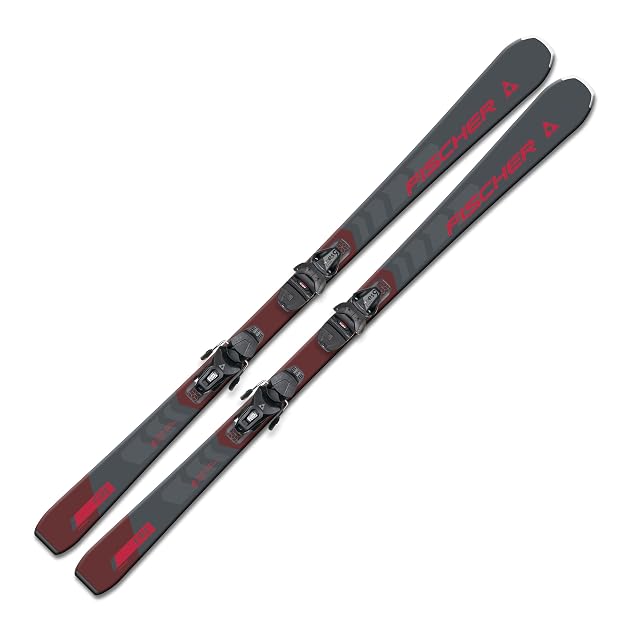
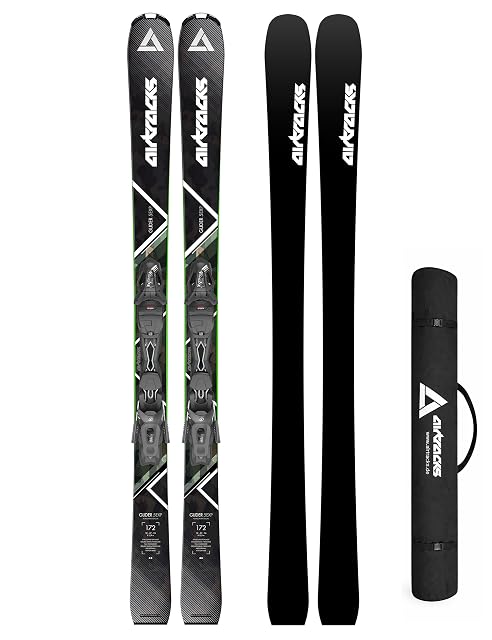
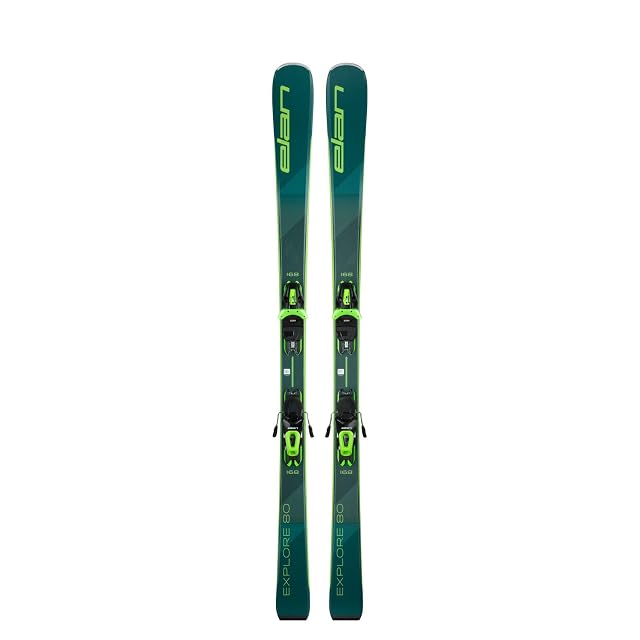
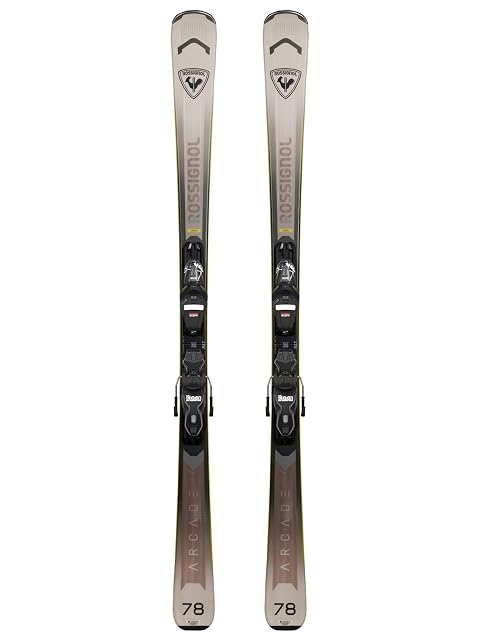
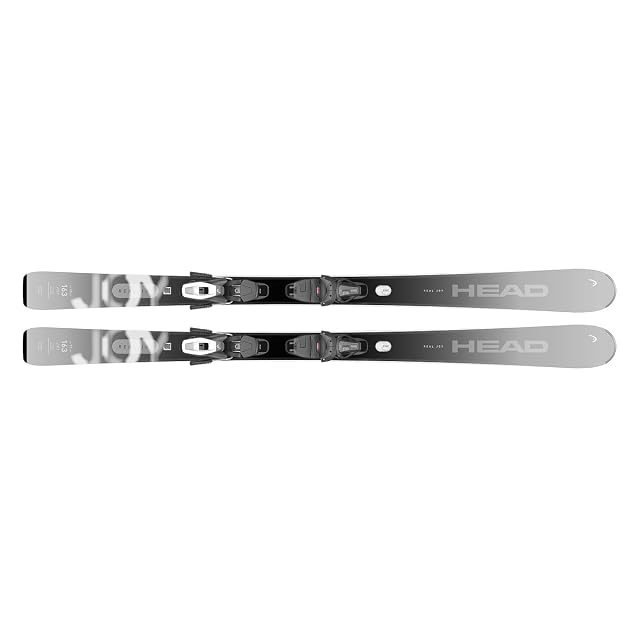
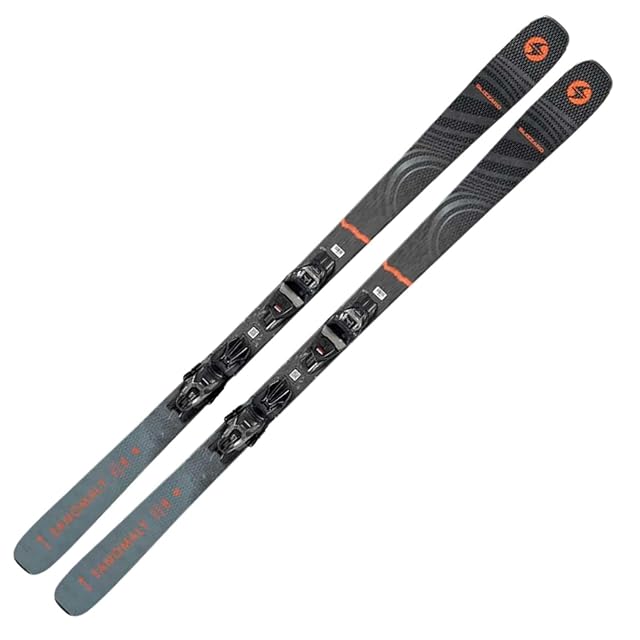
The first thing to know about this shelf is that almost nothing on it is sold as a bare ski. Every listing in the corpus arrives with its binding mounted — « inkl. Bindung RS9 SLR », « + M 10 GW », « + PRW 11 GW » — and the binding is half of what you are paying for. That changes how the shelf reads: a ski at 250 € with an RS9 and a ski at 465 € with a PRW 11 are not the same purchase twice, they are two different systems. The length comes next, and it is the only figure here that has a wrong answer. The corpus shows 140, 149, 150, 158, 160, 165, 167 and 170 cm on ordinary all-mountain and carving skis, and a length is chosen against a body, not against a taste: a ski too long will not come round at the end of a turn, and one too short will not hold at speed. The binding brings its own two numbers, and both are in the titles. Its DIN range — Z 2–7.5 on a junior, Z 3–10 on an adult carver, 11 or 13 on a freeride plate — sets the release, and it must bracket the skier rather than merely include them. Its brake width, 85, 90, 100 or 110 mm, must match the waist of the ski it sits on, which is why a binding bought separately is a measurement and not a guess. What the listings say least well is the use: « On-Piste-Rocker », « Carvingski », « Pistenski », « All-Mountain » and « Performance » all appear, and they are marketing words with real meanings behind them that no listing defines. We compare lengths, waist width, dimensions, radius, profile, binding included, weight and level.