Skip to content

A first alpine setup, in the order each one earns

Hiring skis for a week costs a fraction of buying them, and hiring boots is what makes the week unpleasant. That single fact sets the order of this list: the things that touch you are bought first, the things underfoot last. Every item here is on this site because its listing publishes enough to be checked, not because it is the cheapest.

Five purchases, and the order is the argument.

1. The boot, because it is the only thing sized to you

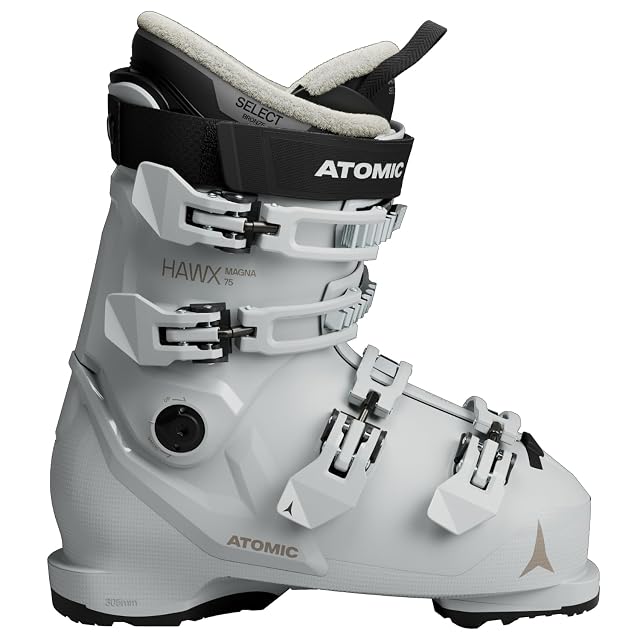
A ski boot is the one item on this list that is fitted rather than chosen. The Atomic on this site publishes a last width and a flex number, which is two more usable figures than most of its shelf, and it says plainly that it is cut for a wide foot.

Last width is the measurement across the ball of the foot. Two boots of the same Mondopoint size and different lasts are two different boots, and almost no listing publishes it.

Buy this one in a shop if you possibly can, and use this site to know what to ask for.

2. The helmet

The Giro here publishes MIPS, a hardshell over EPS, adjustable vents and six centimetres of fit adjustment. Fit range matters more than it sounds: a helmet adjusted to its limit is a helmet that moves.

A hire shop charges for a helmet every day of every week. The arithmetic takes about two seasons.

3. The goggle, and check what it does to the light

The uvex here is the only goggle on its shelf that publishes a filter category and a light transmission range. Category 2, 19–43 %.

That pair of numbers is the whole goggle question. A dark lens on a flat grey afternoon hides the bumps; a clear one on a bright morning is unusable. Nearly every listing on that shelf sells a mirror finish and never says what the lens does to the light.

4. The poles, which cost less than a lift pass

The HEAD pole names its alloy and its basket diameter in the same listing, which nothing else on that shelf manages. A 50 mm basket is a piste basket; wider ones exist for soft snow and the difference is visible.

Length is found by turning the pole upside down, gripping under the basket, and looking for a level forearm.

5. The skis, last, and with the binding’s DIN range printed

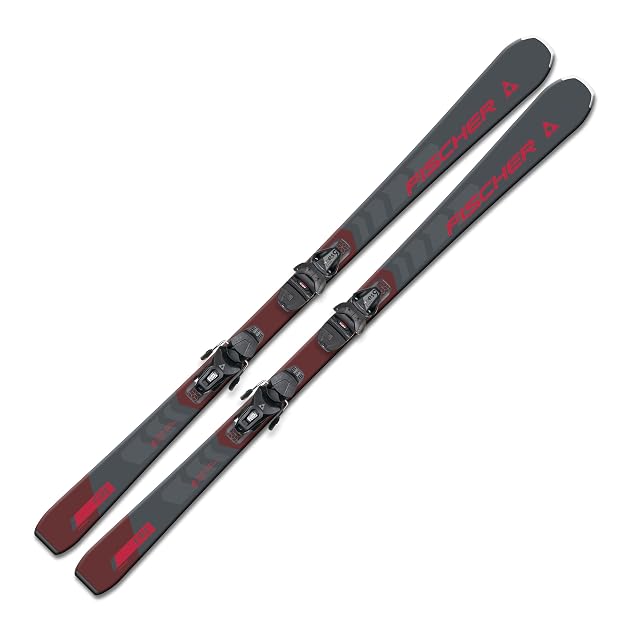
The Fischer set is the most completely specified ski on its shelf: three widths, a radius at a named length, an ability band, and a binding whose DIN range is printed on the listing.

That last part is why it is here rather than a cheaper set. A binding sold without its DIN range cannot be checked against your weight, height, boot length and ability before you buy it — and it is a workshop, not a website, that sets the number.

What this list does not include

Everything that is not needed on day one. This site has shelves for ski bags, boot bags, locks, socks, gloves, neck warmers and hand warmers, and none of them belongs before the five items above.
The list, and why it is in this order

  1. Fischer RC Fire SLR 170 cm

    170 cm, 118-73-101, radius 15.5 m at 165 cm, with RS9 SLR Z 2.5–9

    The most completely specified ski on the shelf: three widths, a radius at a named length, a stated ability band and a binding with its DIN range printed.

    Best for: A beginner to intermediate skier staying on piste, who wants the numbers printed

    ≈ €250

Questions this guide leaves open

Why the boot before the ski?

Because a hired ski is a compromise and a hired boot is a punishment. A ski that is ten centimetres off its ideal length is a ski you adapt to in a morning; a boot that is half a size out is cold toes, shin bruises and a day cut short. It is also the only item here sized to your body rather than to your ability.

Is a helmet really before the skis?

It is the cheapest item on this list that changes an outcome, and hire shops charge for it every day. Beyond that, the argument is simple: it is the one purchase whose value does not depend on how often you ski.

Can I skip the poles?

A beginner on a green slope can. A skier who has to push across a flat car park, or who wants a rhythm in a turn, cannot. They are the cheapest thing on this list and the last one people think of, which is why they sit fourth rather than fifth.

What about a bag, a lock and a wax kit?

They come after this list, not in it. This site keeps them on their own shelves — ski bags, ski locks, waxing kits, boot dryers — and none of them affects a first day on snow. The dryer is the one to add first, because wet liners are what make the second day worse than the first.

Why each one, and for whom

ATOMIC HAWX Magna 75 W · £255

For : A wide foot that has been hurt by narrow boots before

Main strength : Publishes the last width in millimetres — 102 mm — and says what it is for

Main limitation : Sized in European shoe sizes, 42/43, on a shelf where Mondopoint is the convention

Read the full review →

Fischer FISKI24_RCFIRE_170BD2 · £250

For : A beginner to intermediate skier staying on piste, who wants the numbers printed

Main strength : The full sidecut and the radius are published, and the radius names the length it applies to — 15.5 m at 165 cm

Main limitation : The radius is given at 165 cm while the ski on sale is 170 cm, so the figure is not the one for this length

Read the full review →

What each price bracket buys

Deciding in one line

Useful comparisons

Head-to-heads already published between two models from this guide or this aisle.

How this guide is built

The models here come from the catalogue of this site. Specifications are those published by the manufacturer and on the Amazon product page; prices are what Keepa reported on the date below, and both move. The ranking uses declared specifications, the balance of stated strengths and limitations, and price. No product on this site has been physically tested, and nothing here claims otherwise.

Last checked on

The live figure beside a product went and asked the shop for it the moment this page opened; any amount written into the text has not moved since the sentence was drafted, and it is the first of the two that counts.

The tool we use ourselves

Model settled? Now work out whether the price beside it means anything.

Equipment gets bought the week before the holiday, which is the worst possible moment to weigh up a price: demand on this shelf climbs from November and drops away after March, so a price struck through in January tells you nothing whatever about what the same reference cost in September. UniverTrack holds a week-by-week history per retailer, so a reduced price can be measured against one somebody actually paid rather than one written for the banner — and it says when the moment to order has genuinely arrived.

Real price historyBuy-now alertsAI buying assistant
Try free for 14 days →
No commitment · Cancel in one click · 5 languages