Flex, last width in millimetres, and Mondopoint
The best ski boots for 2026
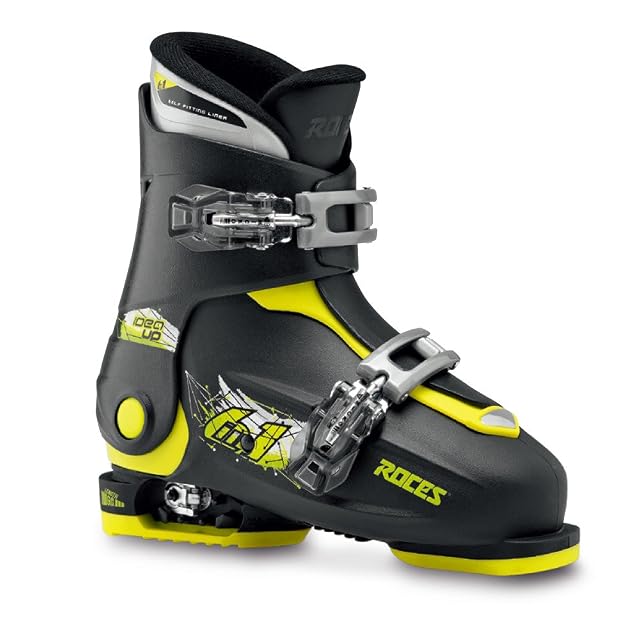
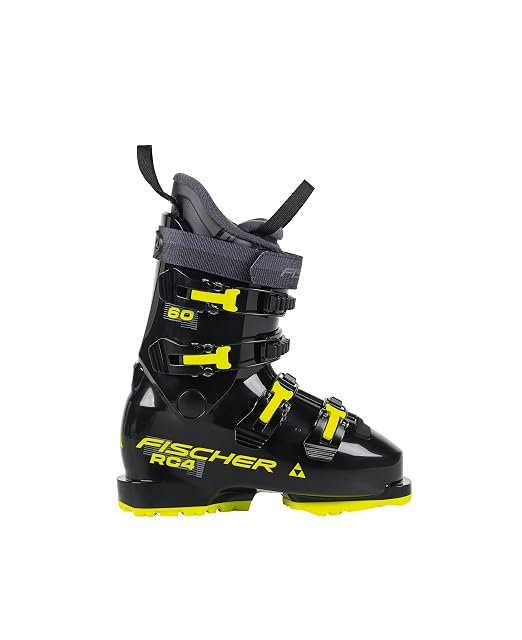
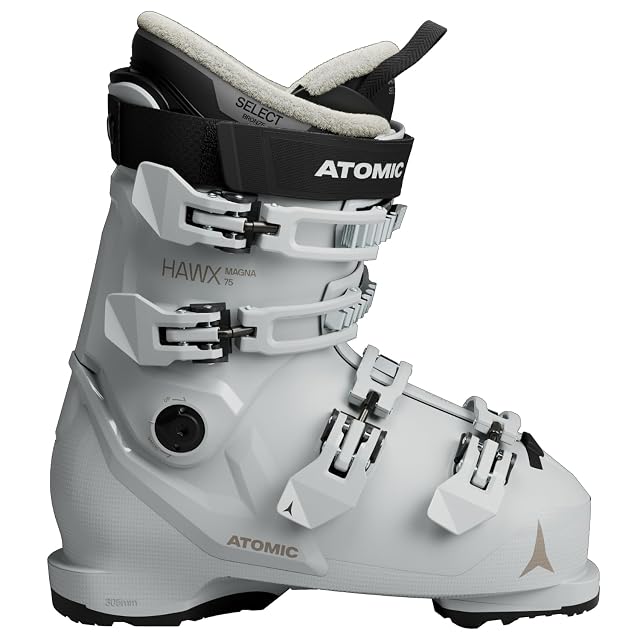
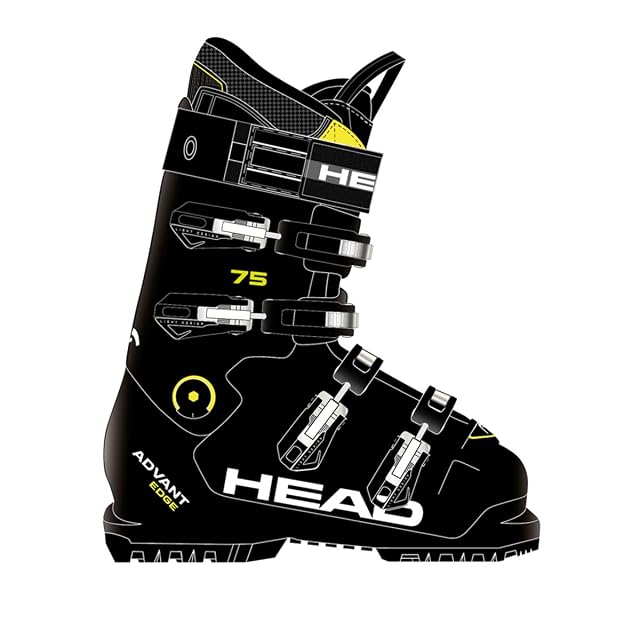
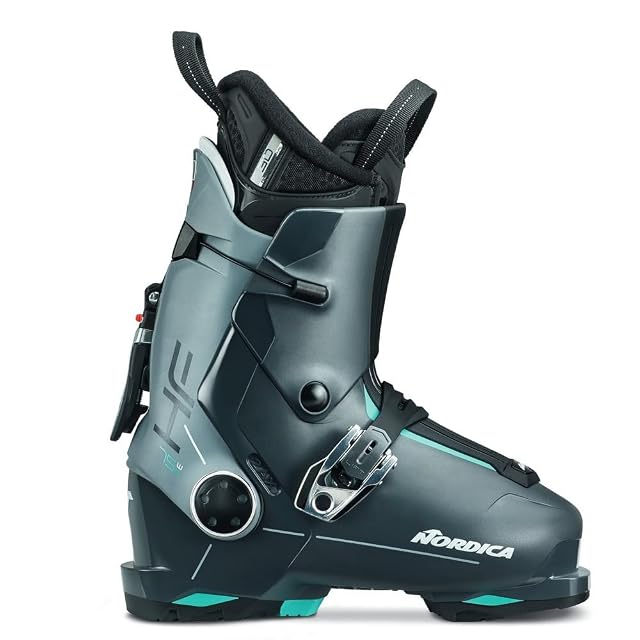
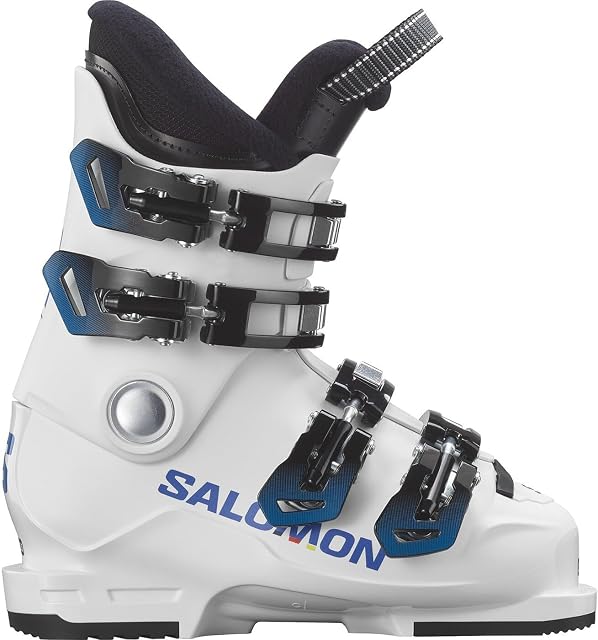
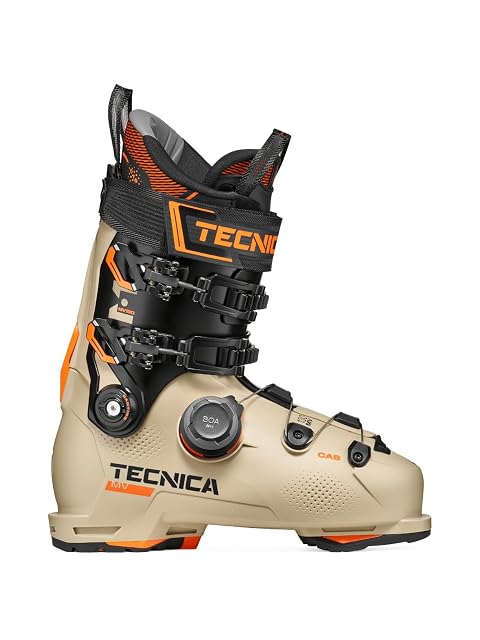
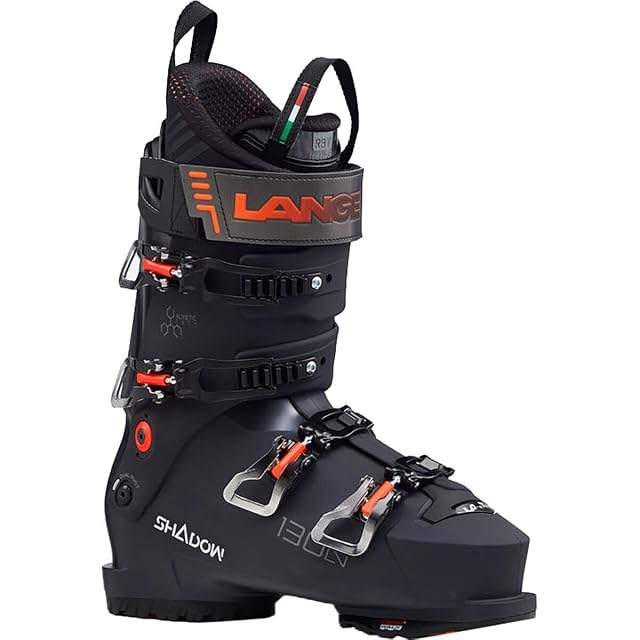
A ski boot is the only piece of equipment on this site that has to be uncomfortable to work, and it is bought on two numbers that listings do print. The flex index — 60, 75 and 130 among the boots compared here — is how hard the cuff resists being bent forward. It is not a quality scale: a 100 under a light or occasional skier is a boot that will not flex at all, and a 75 under a heavy aggressive one folds. The last width is the second, given in millimetres across the ball of the foot, and it is the figure that decides whether the boot can ever be comfortable — the corpus shows 98 mm sold as narrow, 102 mm as wide and a middle band between. A narrow last on a wide foot is not something a bootfitter can entirely undo. The size is in Mondopoint, which is the length of the foot in centimetres: 27.5, and the same boot appears as 275 or 285 in titles that drop the decimal point. It is not a shoe size, and half of the returns on this shelf are that mistake. The buckles — two on a junior, four plus a power strap on an adult — set how much the fit can be adjusted once it is on, and the liner decides whether the boot can be heat-moulded to the foot rather than the foot to the boot. The last thing, and it rules out bindings rather than boots: the sole standard. GripWalk, alpine ISO 5355 and touring soles are not all accepted by every binding. We compare mondopoint size, last width, flex, buckles, liner, sole standard, sole length and weight.