Skip to content

Choosing a ski boot on the numbers that are published

A ski boot is the only item in this catalogue that is fitted rather than chosen, and it is the one that decides whether a week is enjoyable. Three numbers describe it, they are rarely all published, and the shelf here splits cleanly between listings that give two of them and listings that give none. This page reads them in order of what they decide.

Six boots, read on what they publish.

The two that publish a last width

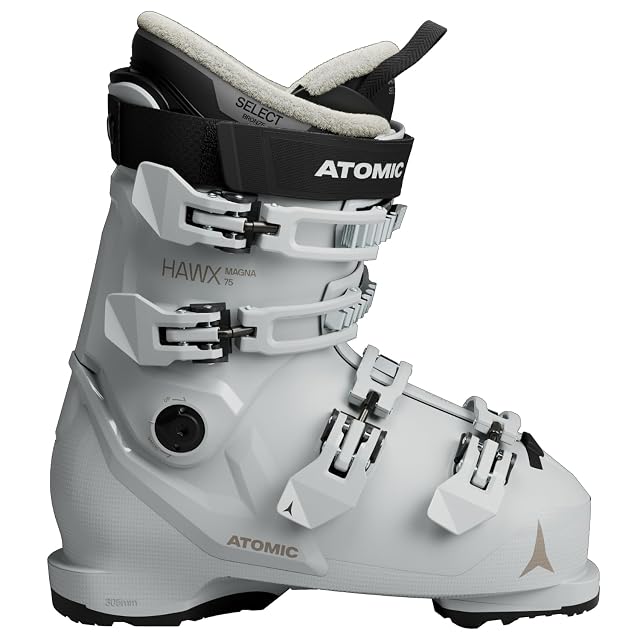
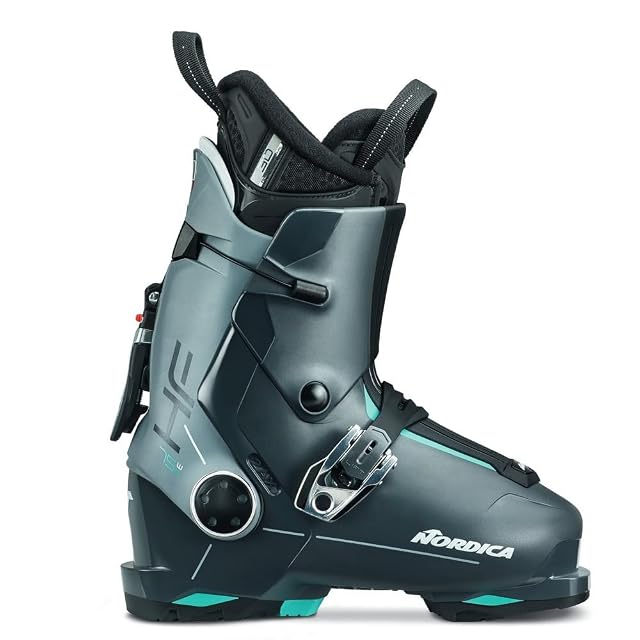
The Atomic and the Nordica both give 102 mm and flex 75, and they are the only boots on this shelf to publish a last at all.

That figure is the reason two people try the same boot and reach opposite conclusions. The Atomic says plainly it is cut for a wide foot; the Nordica pairs the same last with an easy-entry women’s shell and a GripWalk sole.

The one that publishes everything and contradicts itself

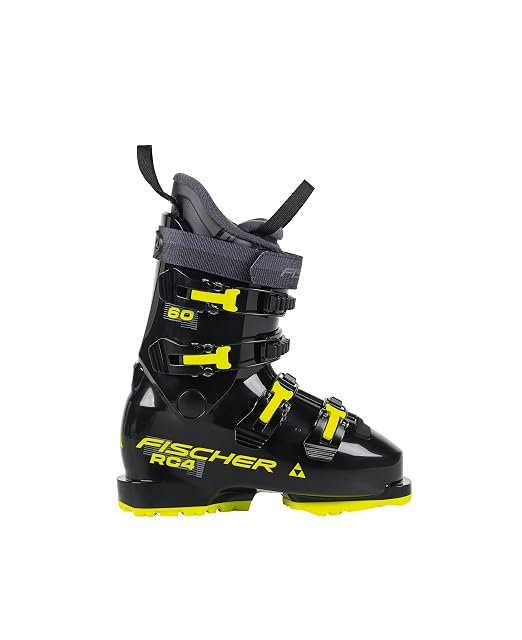
The Fischer junior boot has the most detailed listing on the shelf — Mondopoint 24/24.5, a GripWalk sole, a full description — and it states its flex twice, differently.

On the number the boot is sold by. Detail is not the same as agreement with yourself, and this page reports both figures rather than picking one.

The two expert boots, at flex 130

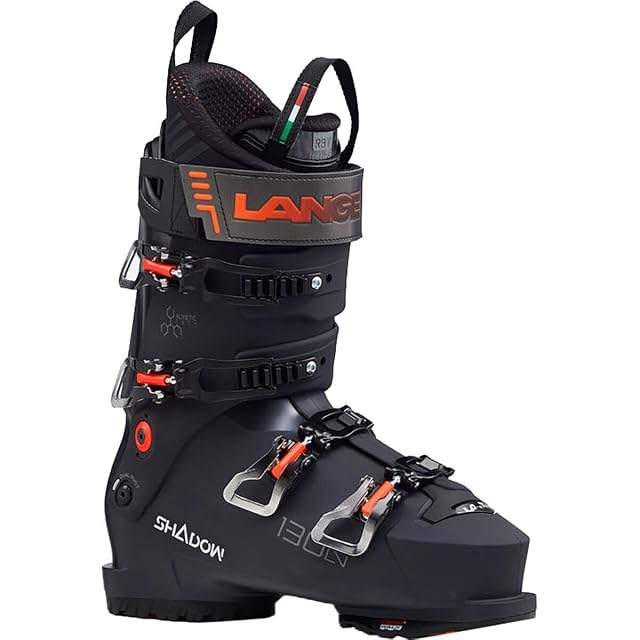
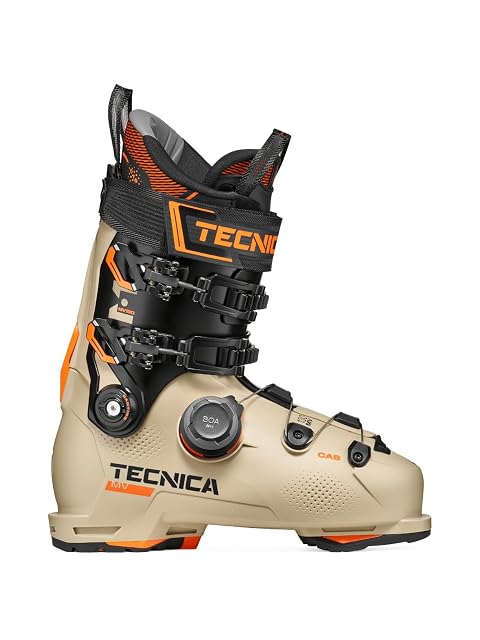
The Lange and the Tecnica are both flex 130, medium volume, and they answer the closure question in opposite directions: the Lange on buckles, the Tecnica on two BOA dials and no buckles at all.

Neither is a beginner’s boot. A flex-130 shell needs weight and technique to bend, and a skier who cannot bend it cannot pressure the front of the ski.

The one where the number is hidden

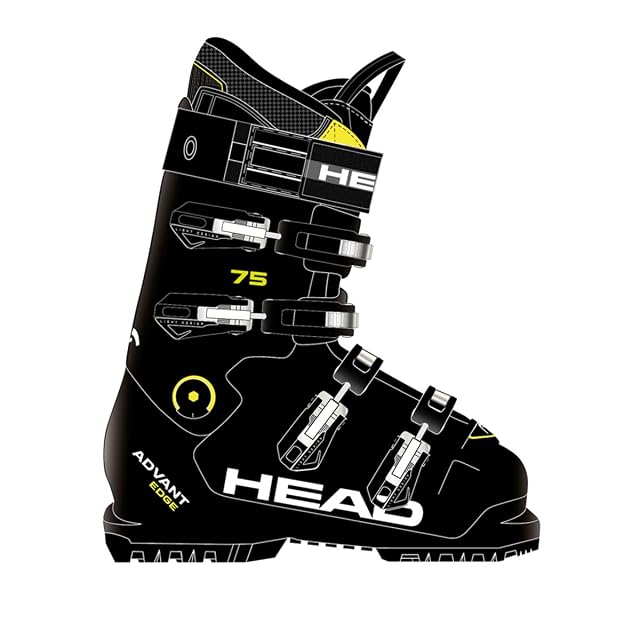
The HEAD men’s boot is sold on four benefit sentences and one number hidden inside the size code.

It is not a bad boot; it is an unreadable listing. On a shelf where two boots publish a last and a flex, a listing that publishes neither is asking to be bought on the brand.

The order to buy in

Mondopoint first, because it is your foot. Last width second, because it decides comfort. Flex third, because it decides whether you can ski the boot. Closure last, because it is preference.

The list, and why it is in this order

Questions this guide leaves open

What is Mondopoint?

The length of the foot in centimetres, which is what a ski boot is actually sized by. MP 27.0 means a 27 cm foot. EU sizes printed alongside it are a conversion, and they differ between makers — one boot on this site says so in its own bullet points and tells buyers not to rely on them.

What does last width change?

Everything about how the boot feels across the ball of the foot. Two boots at the same Mondopoint with lasts of 98 mm and 102 mm are different boots; the narrow one holds a slim foot precisely and hurts a wide one. Exactly two boots on this shelf publish a last, and both are 102 mm.

Is a higher flex better?

No — it is stiffer. Flex 130 is an expert boot that a beginner cannot bend enough to steer with, and flex 75 is a boot an expert would overpower. There is no standard behind the number, so it compares boots within a maker’s range far better than across makers.

Buckles or a dial?

Buckles are adjustable in known increments and repairable anywhere. A dial closes evenly and quickly and is a proprietary part. One boot on this shelf has two dials and no buckles at all, and its listing makes that the headline rather than the footnote.
Why each one, and for whom

ATOMIC HAWX Magna 75 W · £255

For : A wide foot that has been hurt by narrow boots before

Main strength : Publishes the last width in millimetres — 102 mm — and says what it is for

Main limitation : Sized in European shoe sizes, 42/43, on a shelf where Mondopoint is the convention

Read the full review →

Nordica 26 HF 75 W R GW · £385

For : A woman skiing pistes who wants to walk to the lift without changing boots

Main strength : The only listing on the shelf that publishes both the last width and the sole standard

Main limitation : Sized in European shoe sizes, 40, with no Mondopoint equivalent anywhere in the listing

Read the full review →

Fischer U19225-24.5 · £145

For : A child skiing regularly, on skis whose bindings are set for GripWalk

Main strength : Names its sole standard and its binding compatibility, which six of the eight listings here do not

Main limitation : The flex is 60 in the title and 50 in the detail line, and the listing never resolves which the boot is

Read the full review →

Lange LBO2030 00028X · £900

For : A skier replacing a Lange they already know the fit of

Main strength : The size is written in proper Mondopoint, decimal point and all

Main limitation : One bullet point in the whole listing, and the word in it is "black"

Read the full review →

Tecnica 101G52G1 · £565

For : An expert skier who already knows they take a medium-volume shell

Main strength : The only closure on the shelf that adjusts the upper and the lower shell separately, by the turn of a dial

Main limitation : MV is a volume class, not a millimetre figure, and the listing never converts it

Read the full review →

HEAD ADVANT Edge 75 · £168

For : A first pair for an adult skiing a week a year, bought on comfort rather than on stiffness

Main strength : Names its liner, which four listings here do not

Main limitation : The size is written 275, which reads as a shoe size to anyone who has not met Mondopoint

Read the full review →

What each price bracket buys

Entry level

£74 – £103

2 models

Upper range

£565 – £900

2 models

Deciding in one line

Useful comparisons

Head-to-heads already published between two models from this guide or this aisle.

How this guide is built

The models here come from the catalogue of this site. Specifications are those published by the manufacturer and on the Amazon product page; prices are what Keepa reported on the date below, and both move. The ranking uses declared specifications, the balance of stated strengths and limitations, and price. No product on this site has been physically tested, and nothing here claims otherwise.

Last checked on

The live figure beside a product went and asked the shop for it the moment this page opened; any amount written into the text has not moved since the sentence was drafted, and it is the first of the two that counts.

The tool we use ourselves

Model settled? Now work out whether the price beside it means anything.

Equipment gets bought the week before the holiday, which is the worst possible moment to weigh up a price: demand on this shelf climbs from November and drops away after March, so a price struck through in January tells you nothing whatever about what the same reference cost in September. UniverTrack holds a week-by-week history per retailer, so a reduced price can be measured against one somebody actually paid rather than one written for the banner — and it says when the moment to order has genuinely arrived.

Real price historyBuy-now alertsAI buying assistant
Try free for 14 days →
No commitment · Cancel in one click · 5 languages